
A rental no-heat report is an active coordination problem, not a seasonal checklist. The fastest useful response gives the tenant one point of contact and gives the HVAC company accurate symptoms, safe access, approval authority, and a reliable way to reach someone onsite.
Screen for immediate hazards first
Ask whether anyone smells gas, sees smoke or soot, hears arcing, feels unsafe, or has an active carbon-monoxide alarm. If so, occupants should leave the affected area and contact the appropriate emergency or utility service from a safe location. Do not ask a tenant to investigate combustion equipment.
Never recommend heating a rental with an oven, grill, generator, or outdoor fuel-burning equipment. Any temporary heating device should be approved for indoor use, operated exactly as its manufacturer directs, and kept clear of people, pets, water, bedding, curtains, and other combustibles.
Collect the information an HVAC dispatcher can use
- Full property address, building, and unit number
- Tenant name, phone number, and preferred contact method
- Who can provide safe, authorized access and when
- Thermostat display, mode, setpoint, and reported indoor temperature if known
- Whether the system runs, blows cool air, cycles, makes noise, or does nothing
- When the issue started and whether every room is affected
- Any gas odor, smoke, alarm, sparking, water, or repeated breaker trip
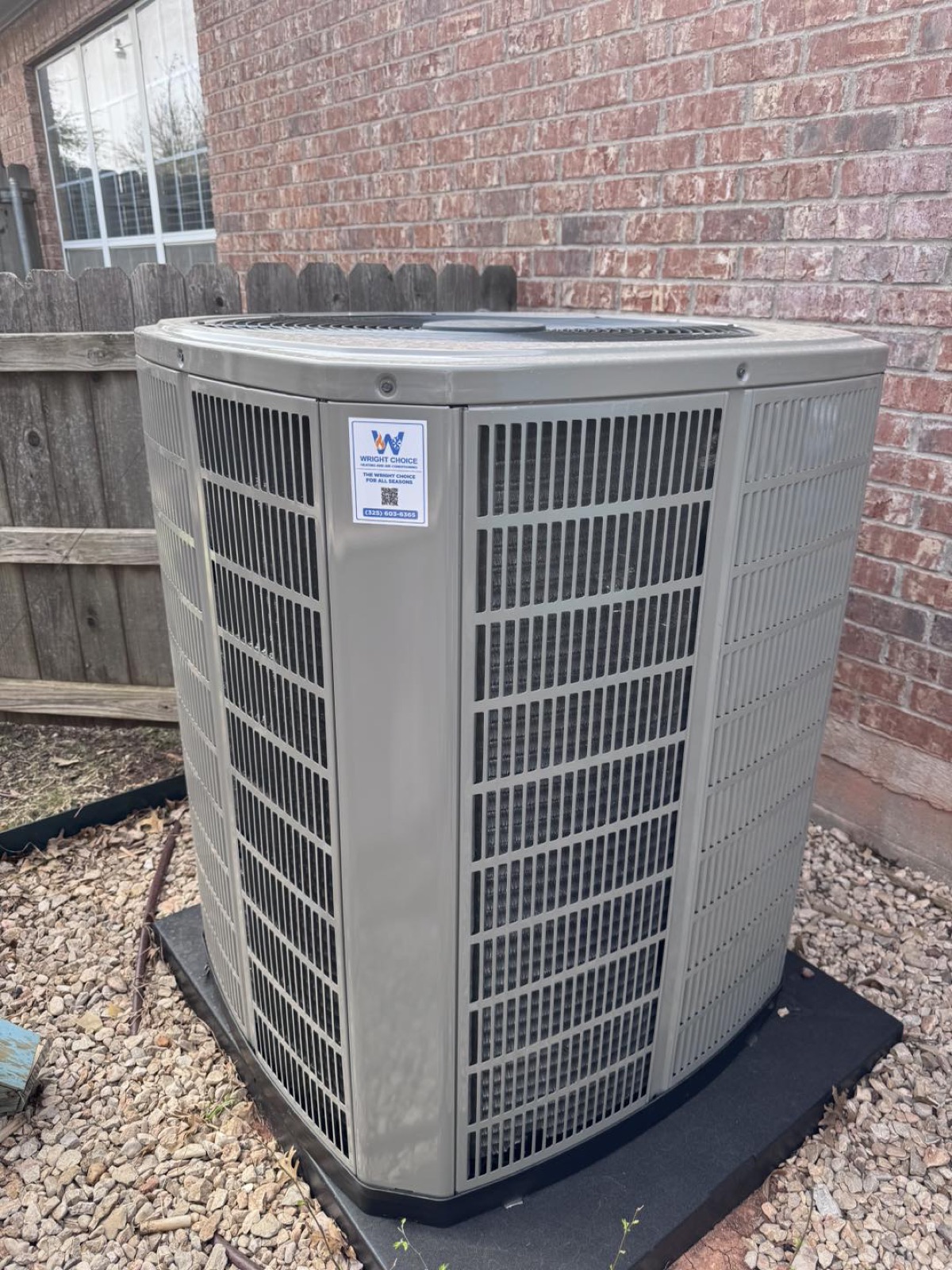
- Equipment location, type, photos, and unit ID when available
A tenant can use the non-invasive checks in Furnace Won’t Turn On only when they feel safe and property procedures permit. Do not ask them to remove panels, repair wiring, relight equipment without appropriate instructions, or repeatedly reset a breaker or fault.
Give everyone a clear service plan
For the owner or property manager
Contact urgent HVAC service with the collected facts. Identify who can approve diagnosis or repair, whether an estimate is required, how the technician will enter, and any gate, pet, parking, roof, alarm, or lockbox details. Confirm how updates should be sent if the onsite contact differs from the decision-maker.
For the tenant
Give a specific update: who has been contacted, the next known step, how access will work, and when another update will arrive. Avoid promising an arrival or completion time that has not been confirmed. Ask the tenant to report changing symptoms or safety concerns immediately.
For a vacant or remote property
Arrange a responsible access contact and confirm that utilities are active. If freezing weather threatens plumbing or property, coordinate the appropriate property professional; HVAC service alone does not replace plumbing, insurance, lease, or emergency planning.
This article is operational guidance, not legal advice. Repair, notice, access, and tenant obligations may depend on the current lease, applicable law, and specific facts. Owners and tenants should check current requirements or seek qualified guidance rather than relying on a general blog post.
Close the loop after heat returns
Record the initial report, safety screening, contacts, access authorization, service findings, repair decision, completion confirmation, and tenant follow-up. Ask what failed, what work was performed, and whether additional recommendations remain open.
After the urgent issue is resolved, add the equipment to a maintenance record and consider furnace maintenance. For portfolio preparation before winter, use the separate Big Country landlord HVAC checklist.
Frequently asked questions
What details should a landlord collect for a no-heat service call?
Collect the property and unit address, tenant contact, safe access details, thermostat display and setting, indoor conditions if known, equipment behavior, when the problem began, and any gas smell, smoke, alarms, sparking, or repeated breaker trips.
Can a tenant reset the heating system before service?
A tenant may perform only simple checks they can do safely and that the owner or equipment guidance permits, such as confirming the thermostat mode or checking whether a breaker is visibly tripped. They should not remove panels, handle fuel components, or repeatedly reset a fault.
What legal deadline applies to a rental with no heat?
This guide does not establish a legal deadline. Requirements can depend on current law, the lease, notice, conditions, and other facts. Owners and tenants should review their lease and obtain current legal or local guidance when needed.
Coordinating a rental no-heat call?
Have the address, tenant contact, access details, symptoms, and approval contact ready. Wright Choice serves Abilene and nearby Big Country communities.