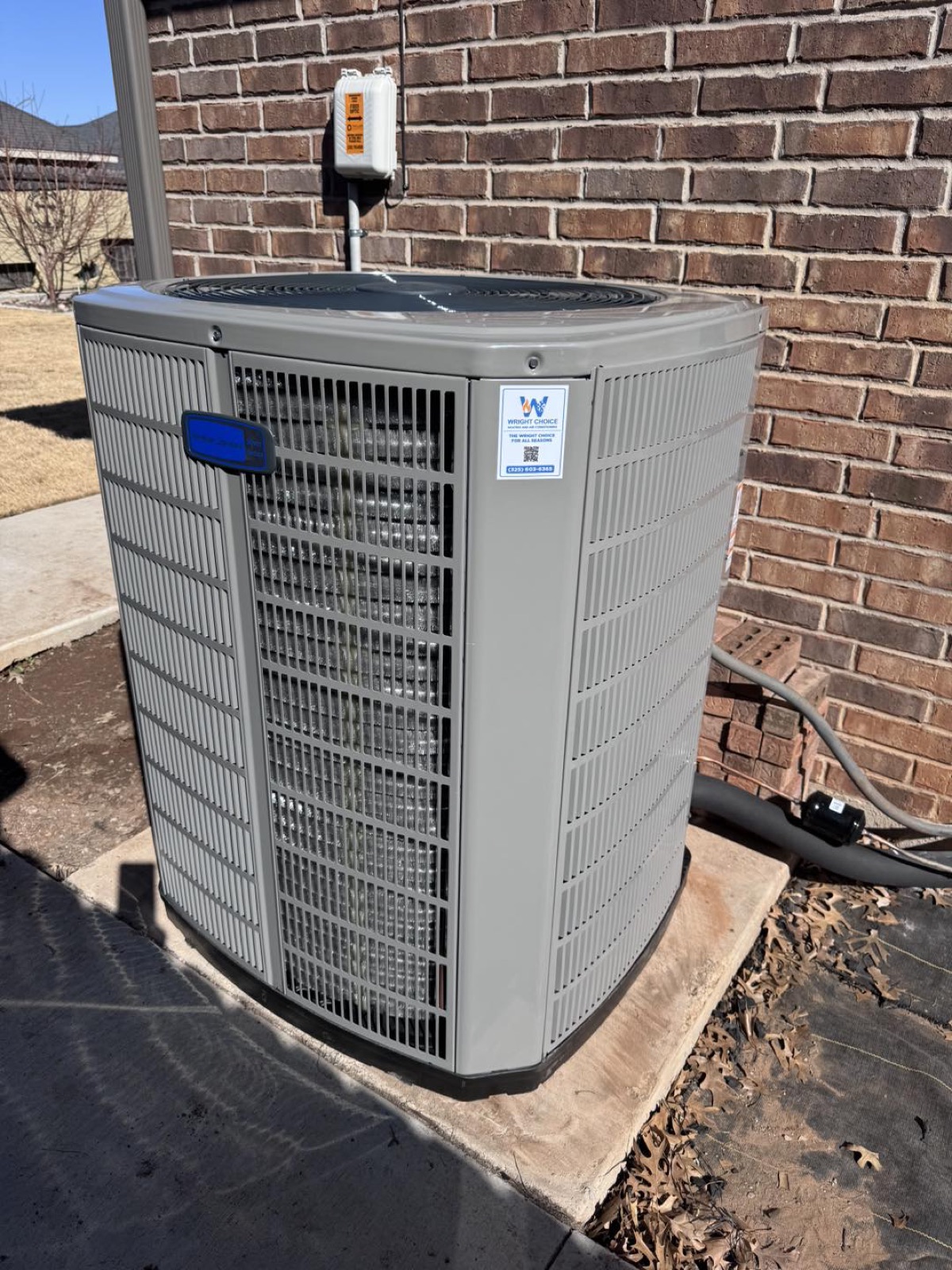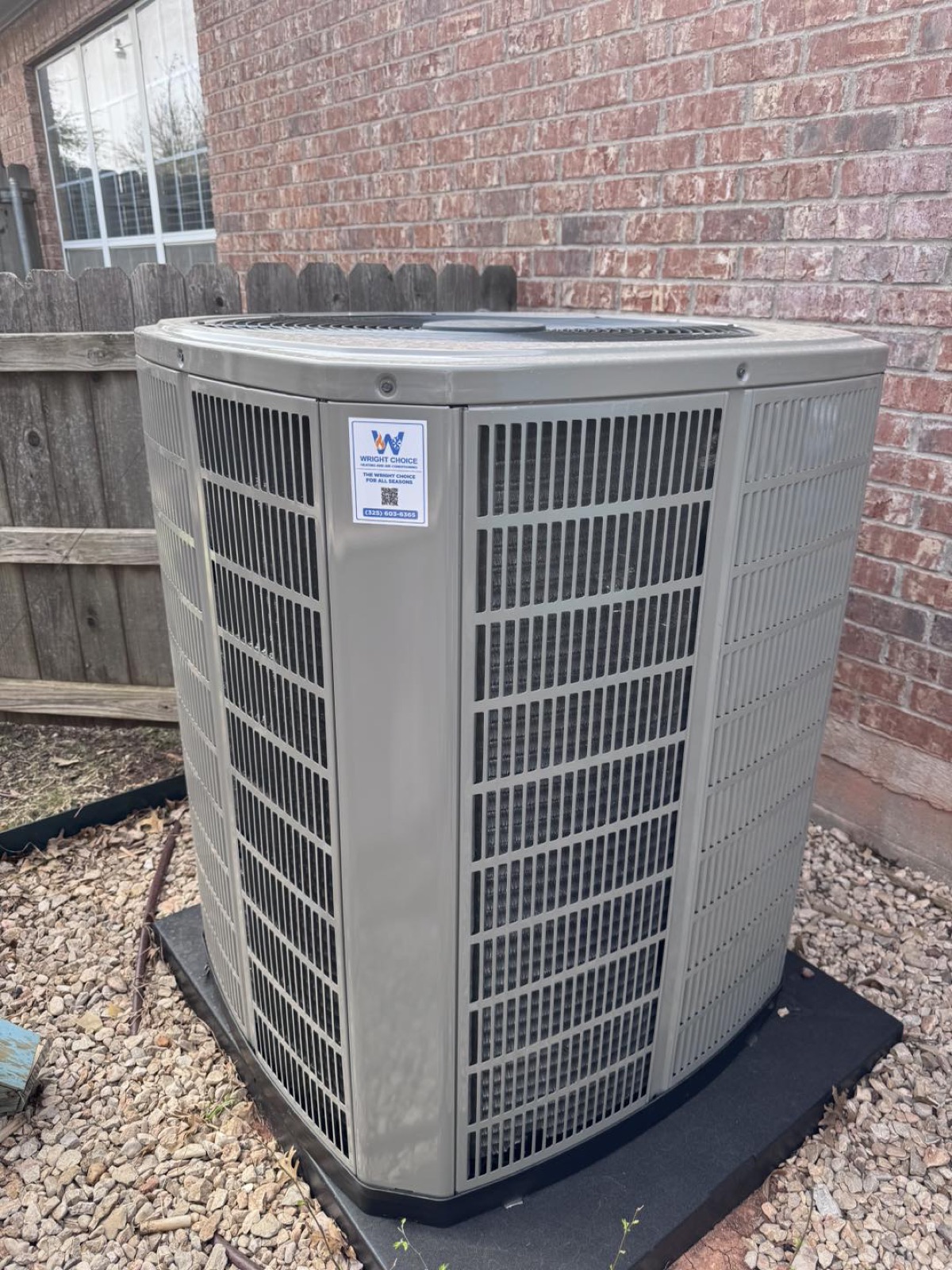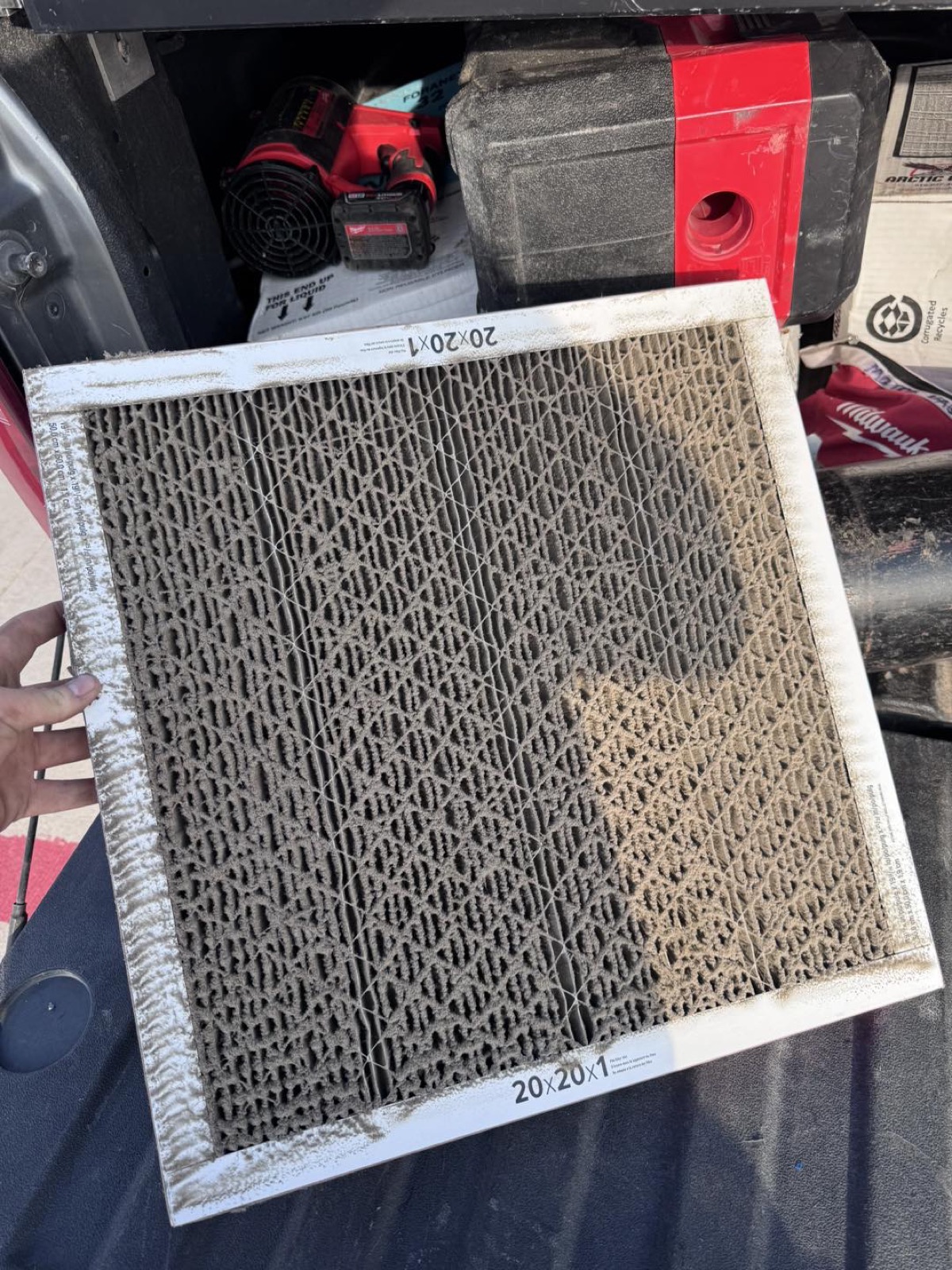
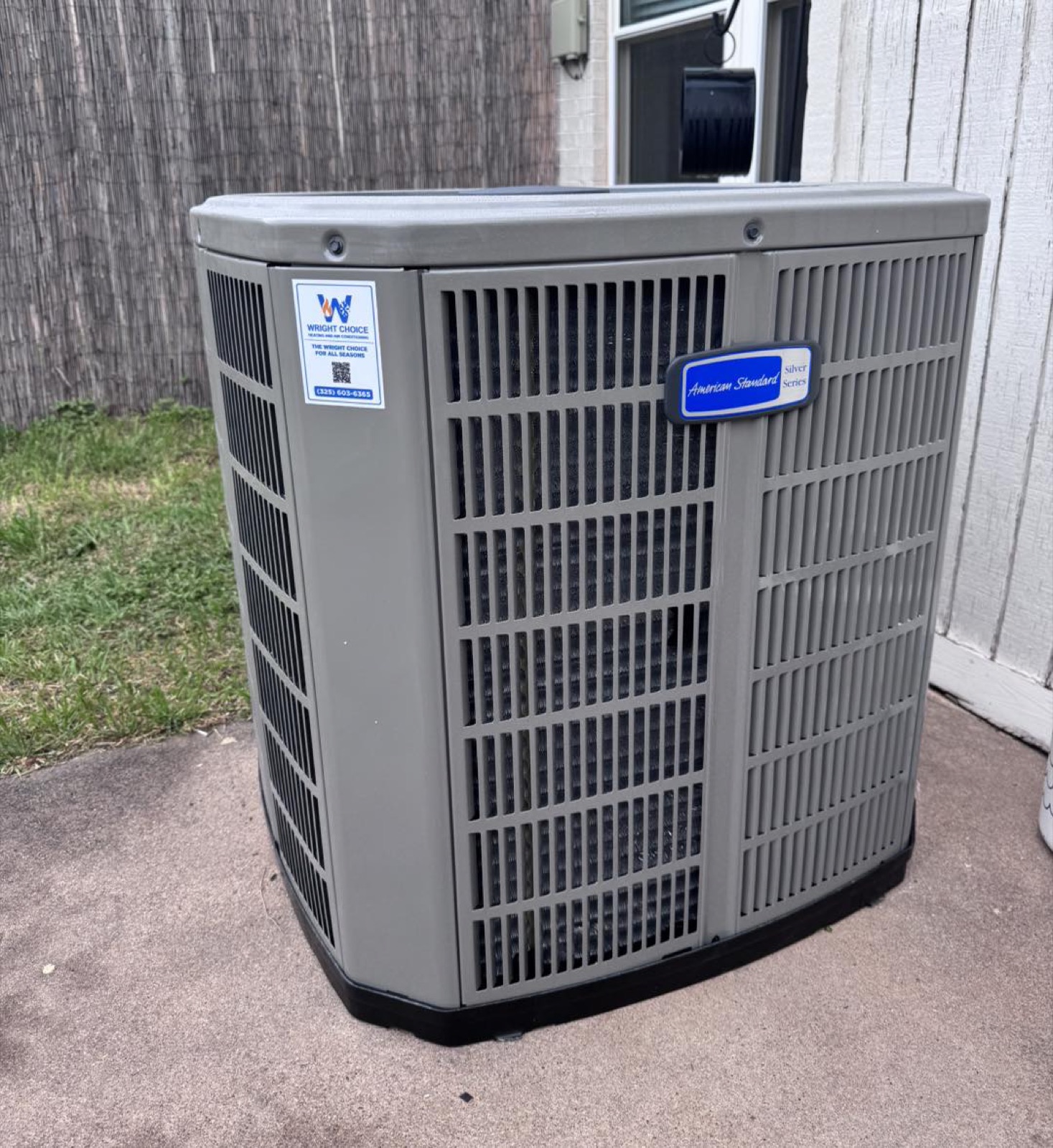
When a major HVAC component fails, you’re forced into a fast, costly decision. The good news: a few honest tests cut through the stress. Here’s the framework a trustworthy technician uses — the same one we walk Abilene customers through.
There’s no single magic number, but there are a handful of tests that, taken together, make the answer obvious. Run through these before you sign off on a big repair — or a new system.
Start with the age
A well-maintained system lasts roughly 12–15 years in our climate, sometimes a bit more. In the relentless Abilene cooling season, equipment works harder and ages faster than it would in a milder place. If your system is under about 10 years old and the repair is reasonable, repair is usually the right call. Past 12–15 years, the math starts tilting toward replacement — not because the unit is doomed, but because you’re investing in a system near the end of its life.
The $5,000 rule
Here’s a simple gut-check: multiply the age of the system by the repair cost. If the result is over $5,000, lean toward replacement. A $400 repair on a 5-year-old unit is $2,000 — easy repair. A $700 repair on a 13-year-old unit is $9,100 — that’s money better put toward a new system. It’s a rule of thumb, not gospel, but it keeps you from pouring real money into equipment that’s nearly done.
The R-22 factor
If your AC was made before about 2010, it may run on R-22 refrigerant, which has been phased out. The remaining supply is expensive and getting more so, which means any repair involving a refrigerant recharge on an R-22 system can be shockingly pricey — and you’re paying premium prices to keep obsolete equipment alive. For R-22 systems with a refrigerant leak, replacement is very often the smarter long-term move.
Comfort and energy bills
Numbers aside, listen to the house. Are some rooms never comfortable? Is the system loud, or running constantly through the summer? Have your electric bills crept up year over year? Older, lower-efficiency equipment costs more to run every single month. A modern, properly sized system can meaningfully cut cooling costs and finally make the back bedrooms livable — value that doesn’t show up in the repair quote but is real.
How often it breaks
One repair is just a repair. But if you’ve called for service two or three times in the last couple of seasons, you’re on the breakdown treadmill — each fix buys a few months before the next failure. Stacked repairs are a strong signal the system is wearing out across the board. Add up what you’ve spent over the last two years; it’s often more than you’d guess.
Putting it together
No single factor decides it — it’s the pattern. A young system with a one-off failure: repair. An old R-22 unit with a leak, rising bills, and a third service call: replace. Most cases fall somewhere between, and that’s exactly where an honest technician earns their keep by laying out the real options.
That’s how Wright Choice approaches it: we diagnose first, tell you when a repair genuinely makes sense, and when it doesn’t, we show you the repair-versus-replace math and the financing that makes a new system workable. No pressure, no scare tactics — just the numbers so you can decide with confidence, even in the middle of summer.
Frequently asked questions
What is the $5,000 rule for HVAC?
Multiply the system’s age by the repair cost. If the result is over $5,000, replacement is usually the smarter investment. For example, a $700 repair on a 13-year-old unit is $9,100 — a sign to replace.
Is it worth repairing an R-22 air conditioner?
Often not, if the repair involves refrigerant. R-22 is phased out and expensive, so you’d be paying premium prices to keep obsolete equipment running. For R-22 systems with a leak, replacement is usually the better long-term move.
Facing a repair-or-replace decision?
Get an honest diagnosis and the real numbers on both paths — plus financing options if you go new. No pressure.