
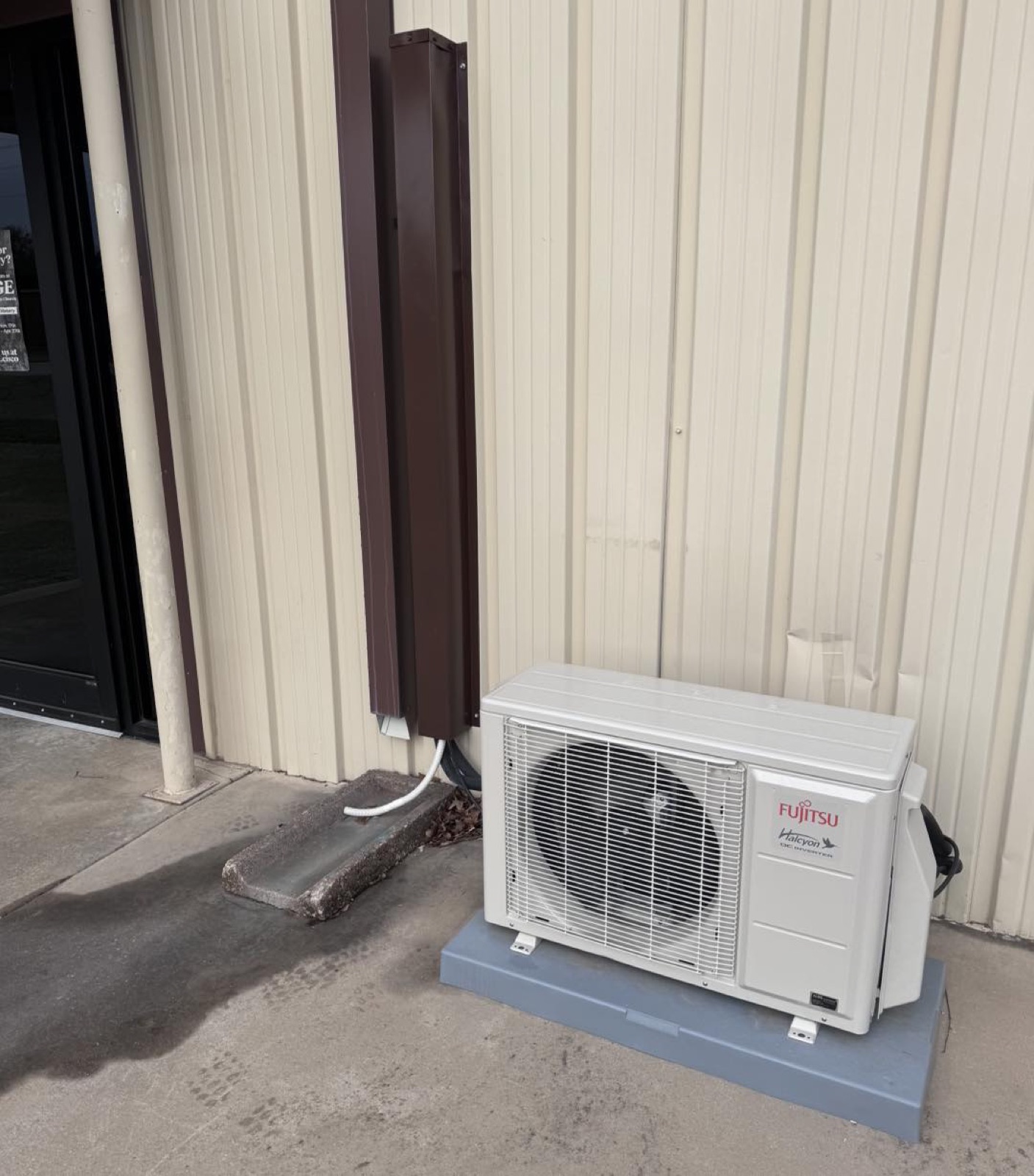
Neither system wins every home. The right choice depends on existing utilities and ducts, equipment condition, comfort preferences, electrical capacity, installation scope, and how the whole system performs in Big Country weather.
The basic difference
A gas furnace burns fuel to create heat and uses a blower to distribute it. An electric heat pump moves heat between outdoors and indoors and reverses for cooling. That means a heat pump can provide both heating and air conditioning, while a furnace is commonly paired with separate cooling equipment.
Compare the factors that matter in your home
Existing utilities and installation
A home with serviceable gas infrastructure presents a different project from an all-electric home. Electrical panel capacity, venting, ducts, refrigerant lines, condensate drainage, and equipment location can change the scope.
Comfort and operation
Furnaces generally deliver hotter-feeling air in cycles. Heat pumps often provide gentler heat over longer cycles. Proper sizing and airflow have a major effect on either system’s comfort.
Energy use
Heat pumps move heat rather than creating it through electric resistance, but actual operating cost depends on weather, equipment performance, utility rates, backup heat use, and the building. A gas furnace’s cost likewise depends on fuel rates and installed efficiency. Avoid savings promises based on equipment type alone.
Maintenance and service
Both need filters, airflow, controls, and safety checks. A heat pump works in both seasons and its outdoor unit runs during winter. A gas furnace adds combustion, venting, and carbon monoxide safety considerations.
Backup heat and dual-fuel options
Many heat-pump systems use auxiliary electric heat when needed. Emergency Heat is a manual backup setting, not a routine cold-weather boost; see our plain-language guide. Some homes may be candidates for a dual-fuel system pairing a heat pump with a furnace, subject to design and site conditions.
Start with the house, not a product label
A quality proposal should consider a load calculation, ducts, envelope, electrical and gas infrastructure, comfort priorities, and installed scope. Wright Choice can explain heating installation options and whether a heat pump fits the property. Existing heat-pump owners can also review our heat-pump service page before assuming replacement is necessary.
Frequently asked questions
Will a heat pump work in Abilene winter weather?
A properly selected and installed heat pump can heat in cold weather, but capacity, controls, backup heat, home heat loss, and equipment condition all matter. The right design requires a property-specific assessment.
Does a gas furnace always cost less to operate than a heat pump?
No. Operating cost depends on local utility rates, weather, equipment efficiency and condition, backup heat use, thermostat settings, and the home. Compare modeled options using current rates rather than a blanket claim.
Need clear heating answers for your property?
Tell Wright Choice what the system is doing and request an evaluation in Abilene or a nearby Big Country community.