
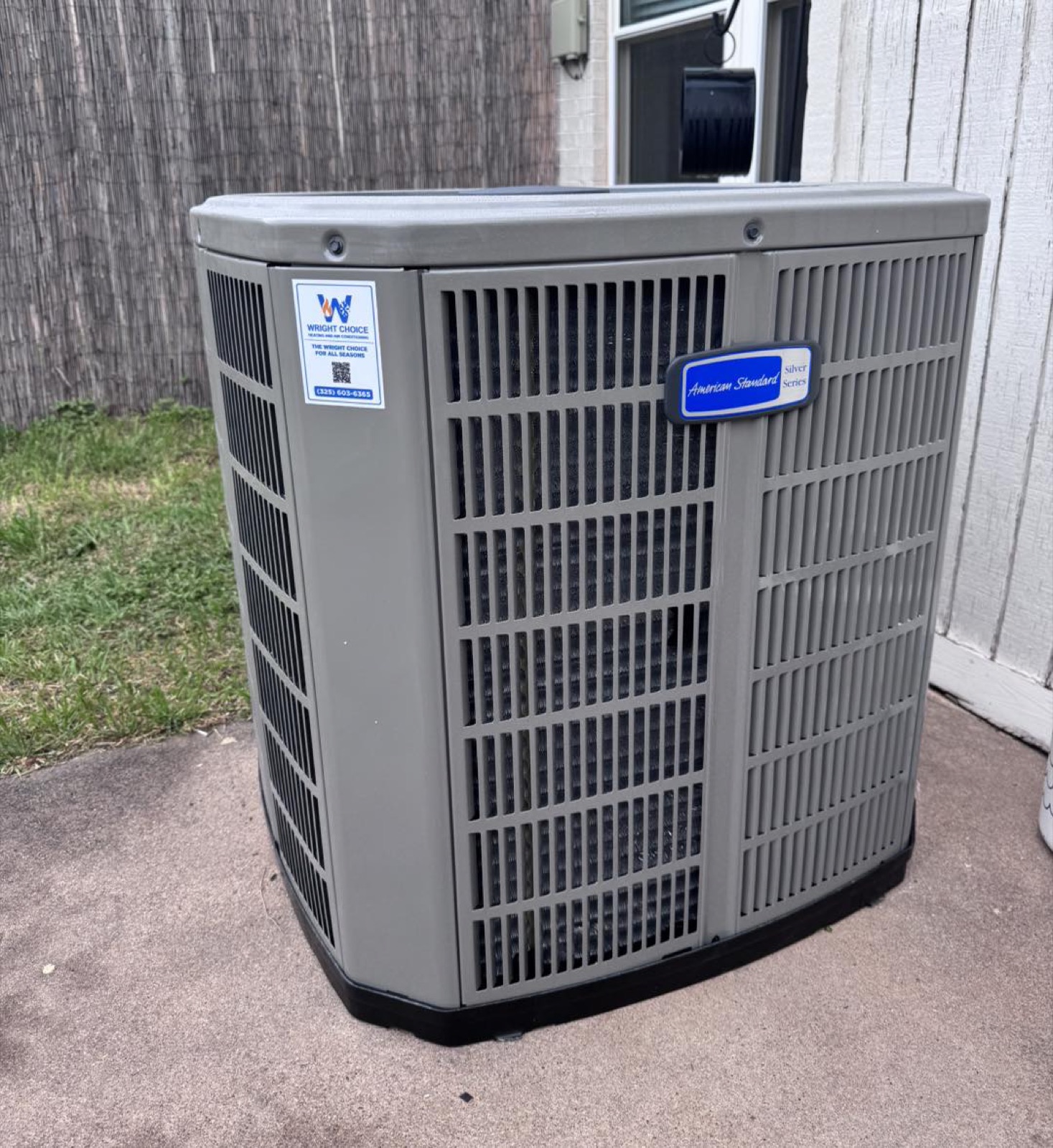
Start with one question: is the system delivering mild heat and maintaining temperature, or is the house actually getting colder? The first can be normal heat-pump operation. The second signals lost capacity, a control issue, or a failed component.
First, know what normal heat-pump heat feels like
A heat pump usually sends out a larger volume of moderately warm air and runs longer than a gas furnace. Air at the register may feel lukewarm against skin even while it is heating the home. Judge performance by whether the indoor temperature rises toward the setpoint—not by expecting furnace-hot air.
Steam from the outdoor unit and a brief change in sound can also be normal during defrost. The system temporarily reverses to warm the outdoor coil; backup heat may run indoors during that cycle.
Six safe homeowner checks
1. Set the thermostat to Heat and fan to Auto
Raise the setting a few degrees, then wait several minutes for built-in delays. Fan On can circulate room-temperature air between heating cycles.
2. Avoid a large temperature jump
A sudden setpoint increase can call for auxiliary heat. Choose the desired temperature and let the control sequence work. Read Aux Heat vs. Emergency Heat before changing modes.
3. Replace a dirty filter
Use the correct size and airflow direction. Low airflow can reduce heating performance and contribute to indoor-coil or safety problems.
4. Open registers and returns
Move furniture and rugs away from grilles. Keep supply registers open; closing many can unbalance airflow.
5. Check both labeled breakers once
Split heat-pump systems can have separate indoor and outdoor circuits. Reset a tripped breaker once only. If it trips again, leave it off and call.
6. Inspect the outdoor unit from a safe distance
Remove only loose leaves or debris around the cabinet with power off; maintain clear airflow. Do not open panels, bend coil fins, reach near the fan, or attempt refrigerant work.
Is frost on the outdoor unit normal?
A thin, temporary frost layer can be normal in cool, damp weather. A working defrost cycle should clear it. A cabinet or coil encased in ice, ice that does not clear, or a fan striking ice is not normal.
Do not chip the ice, pour hot water over the unit, or force the fan. Those actions can damage the coil or fan and create electrical risk. Turn the system off and arrange service. Emergency Heat may provide temporary backup only if the equipment instructions allow it and there is no smoke, sparking, breaker trip, or other electrical concern.
What a technician may need to diagnose
- Outdoor unit never starts: power, contactor, capacitor, motor, controls, or compressor faults.
- System runs but cannot keep up: airflow, refrigerant, sensor, compressor, duct, envelope, or equipment-capacity issues.
- Ice repeatedly returns: defrost-control, sensor, fan, airflow, or refrigerant-related faults.
- Cool in Heat but cools normally in summer: reversing-valve or heating-control problems may be involved.
- Auxiliary heat never works: backup heat, sequencer, breaker, thermostat, or control issues.
Refrigerant pressures, high-voltage components, and control sequences require proper instruments and training. Adding refrigerant without finding the reason for low charge is not a complete diagnosis.
Stop and call now for these conditions
Shut the system off and call if you see smoke or sparking, smell hot wiring or melting plastic, hear severe grinding, see heavy ice obstructing the fan, or a breaker trips again. If indoor temperature continues dropping during a freeze or vulnerable people are present, contact urgent HVAC repair. Never use an oven, grill, or generator to heat the home.
For performance faults without immediate danger, schedule heat pump repair in Abilene. Seasonal heating maintenance can verify airflow, defrost, controls, and backup heat before the first strong Big Country cold front.
Frequently asked questions
Why does heat-pump air feel cooler than furnace air?
A heat pump normally supplies gentler, lower-temperature air than a gas furnace and may run longer. The system may be working properly if the air is warmer than the room and the thermostat reaches its setpoint.
Is frost on an outdoor heat pump normal?
A light coating of frost can be normal and should clear during a defrost cycle. A unit encased in ice, ice that repeatedly returns, or a fan blocked by ice needs professional attention. Do not chip ice or pour hot water on the unit.
What should I check when my heat pump is not heating?
Set the thermostat to Heat and fan to Auto, replace a dirty filter, open accessible registers, check the labeled breakers once, and clear loose debris around the outdoor unit without opening it. If the home still cools or ice persists, schedule repair.
Heat pump running but the house is getting colder?
Wright Choice can diagnose the indoor unit, outdoor unit, controls, and backup heat.