In Abilene, your air conditioner is about to work harder than almost any appliance in your home for the next five months straight. An hour of spring prep dramatically lowers your odds of a peak-season breakdown — and most of it is simple.
Think of this as a pre-season check, like getting the truck serviced before a long haul. Steps 1–6 are homeowner-friendly. Step 7 is the one that actually catches the failures waiting to happen.
1. Start with a fresh filter
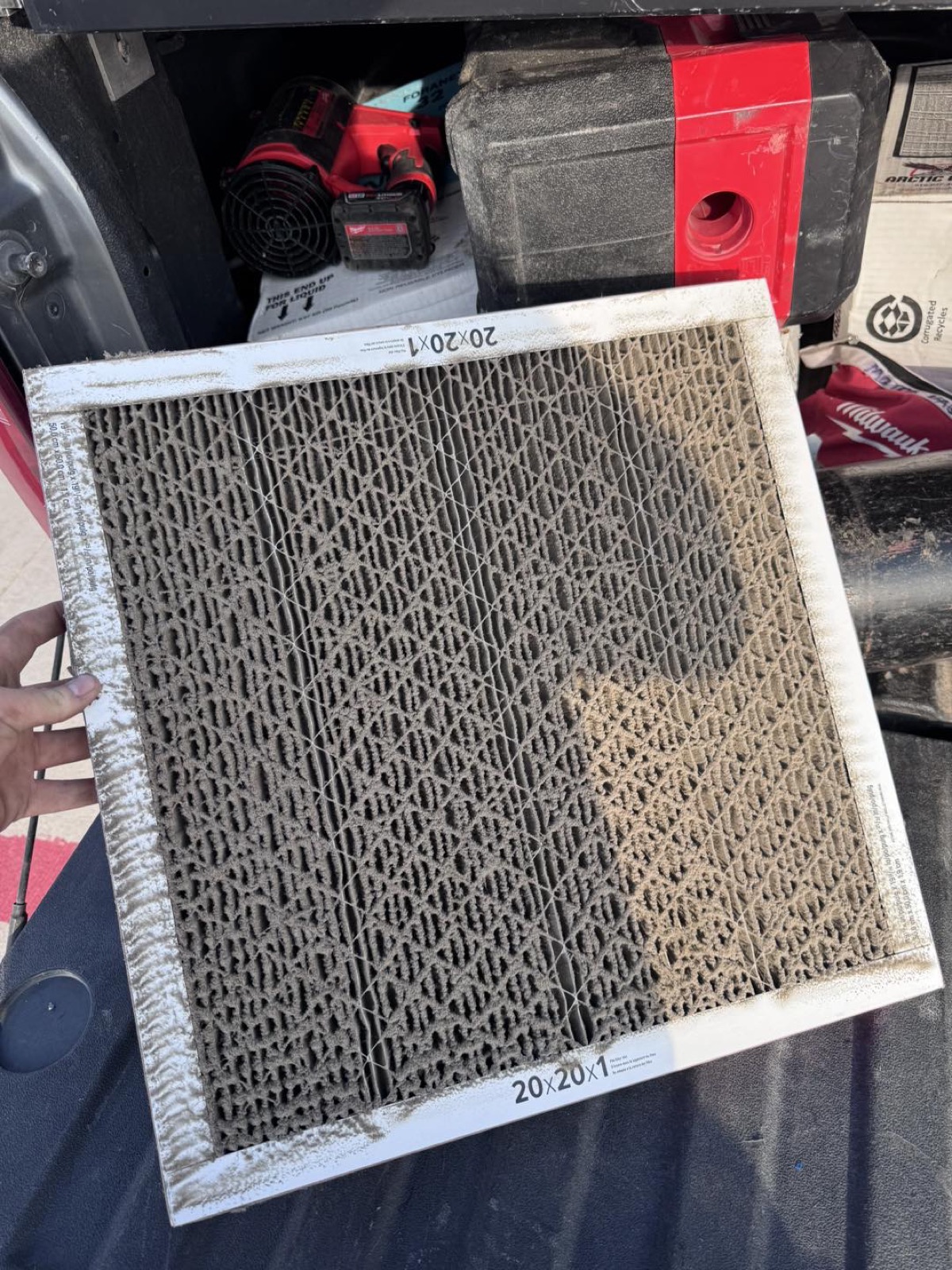
Replace the air filter — it’s the foundation of everything. A clean filter protects airflow, keeps the coil from freezing, and helps with the dust that’s a fact of life out here. Then set a reminder to check it monthly through the summer; in Abilene’s dust they load up faster than the box claims.
2. Clear the outdoor unit
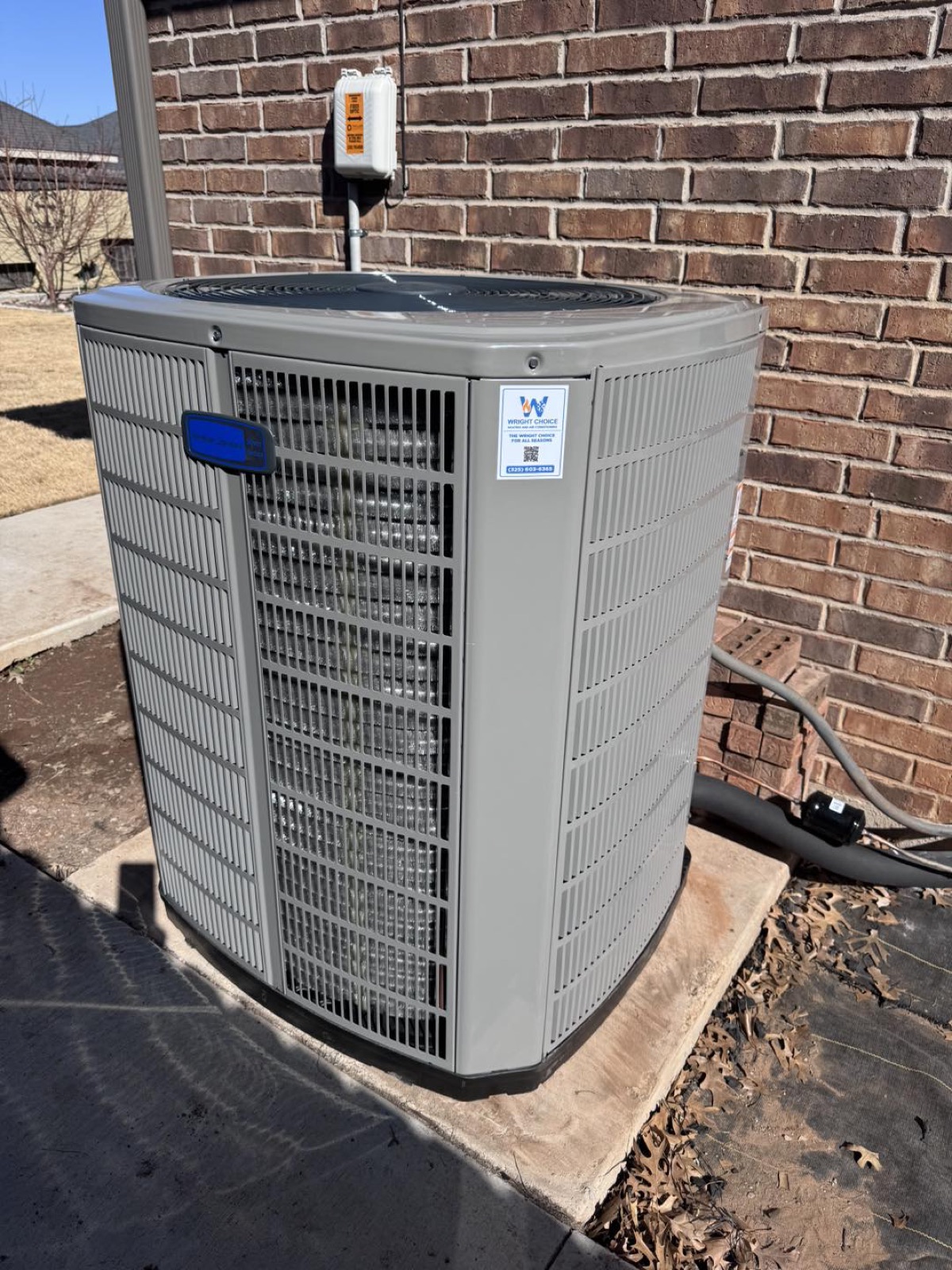
Walk out to the condenser (the big unit outside) and clear at least two feet of space around it. Pull weeds, trim back shrubs, and remove the leaves, cottonwood fluff, and grass clippings that pack into the fins. That unit needs to breathe to dump heat — smother it and you choke your cooling.
3. Gently rinse the condenser coil
With the power to the unit OFF at the disconnect, you can gently rinse the outdoor coil from the inside out with a regular garden hose to clear off a winter’s worth of dust. Keep the pressure low — a pressure washer will bend the delicate fins. If the coil is heavily caked or greasy, leave it for a technician’s coil cleaner.
4. Check the condensate drain
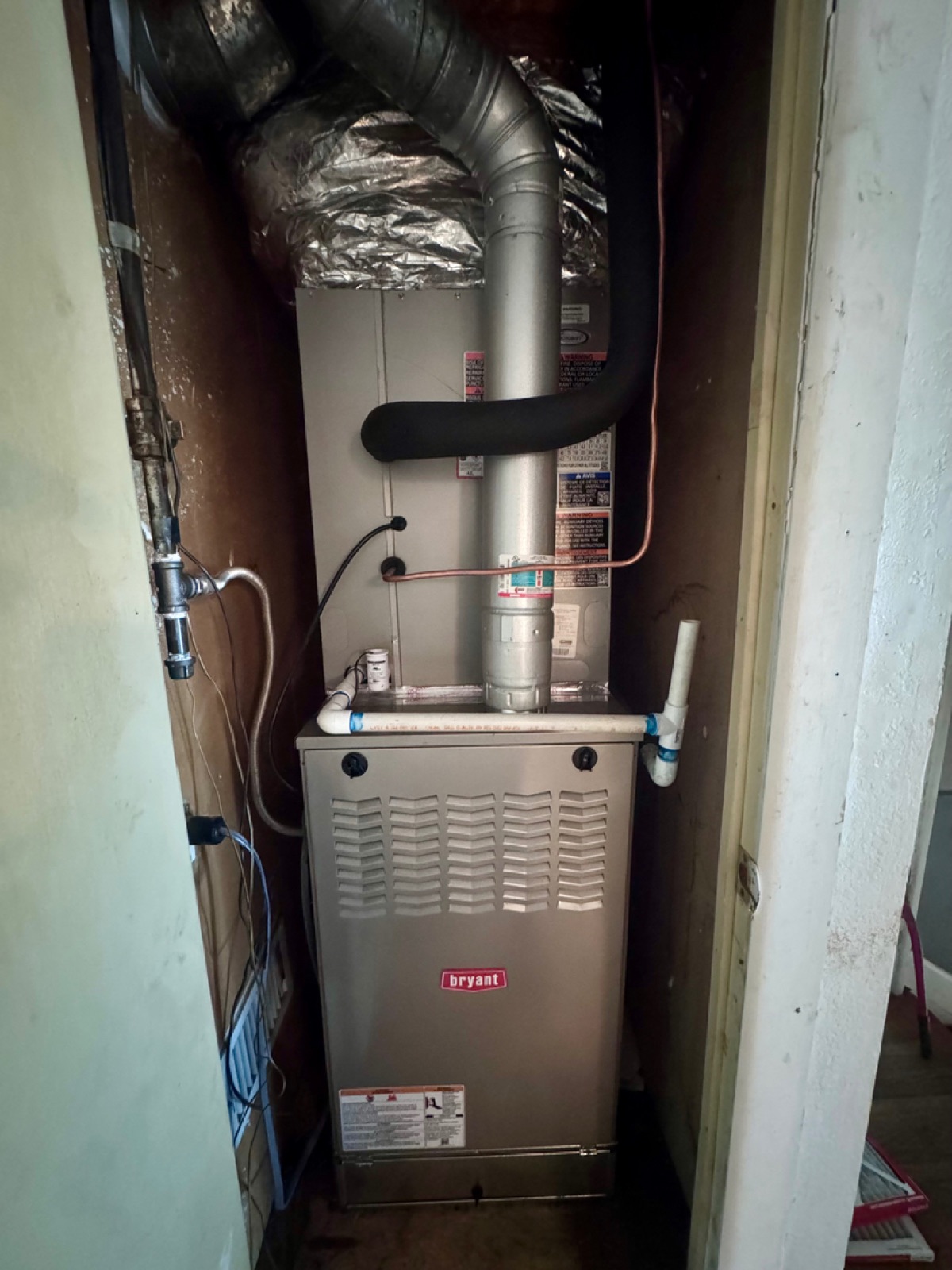
Your AC pulls humidity out of the air and drains it away. In our climate that line can clog with algae and grime, and a clogged drain backs up water into the air handler — or onto your ceiling. Find the drain line (usually a PVC pipe near the indoor unit) and make sure it’s clear and dripping when the system runs. A backed-up drain is one of the most common — and preventable — summer service calls.
5. Test it before you need it
Don’t wait for the first heat wave to find out. On a warm afternoon, switch the thermostat to COOL and drop it a few degrees. You should hear the outdoor unit kick on and feel cold air within a few minutes. If the air is weak, warm, or slow — or the system short-cycles — you’ve just bought yourself time to fix it before July. (Our guide on warm air from the vents walks through what those symptoms mean.)
6. Open and clear the vents
Walk the house and make sure supply and return vents are open and not blocked by furniture, rugs, or boxes. Closing vents to “save energy” usually backfires — it raises pressure in the ducts and makes the system work harder. Let the air move freely.
7. Book a professional tune-up
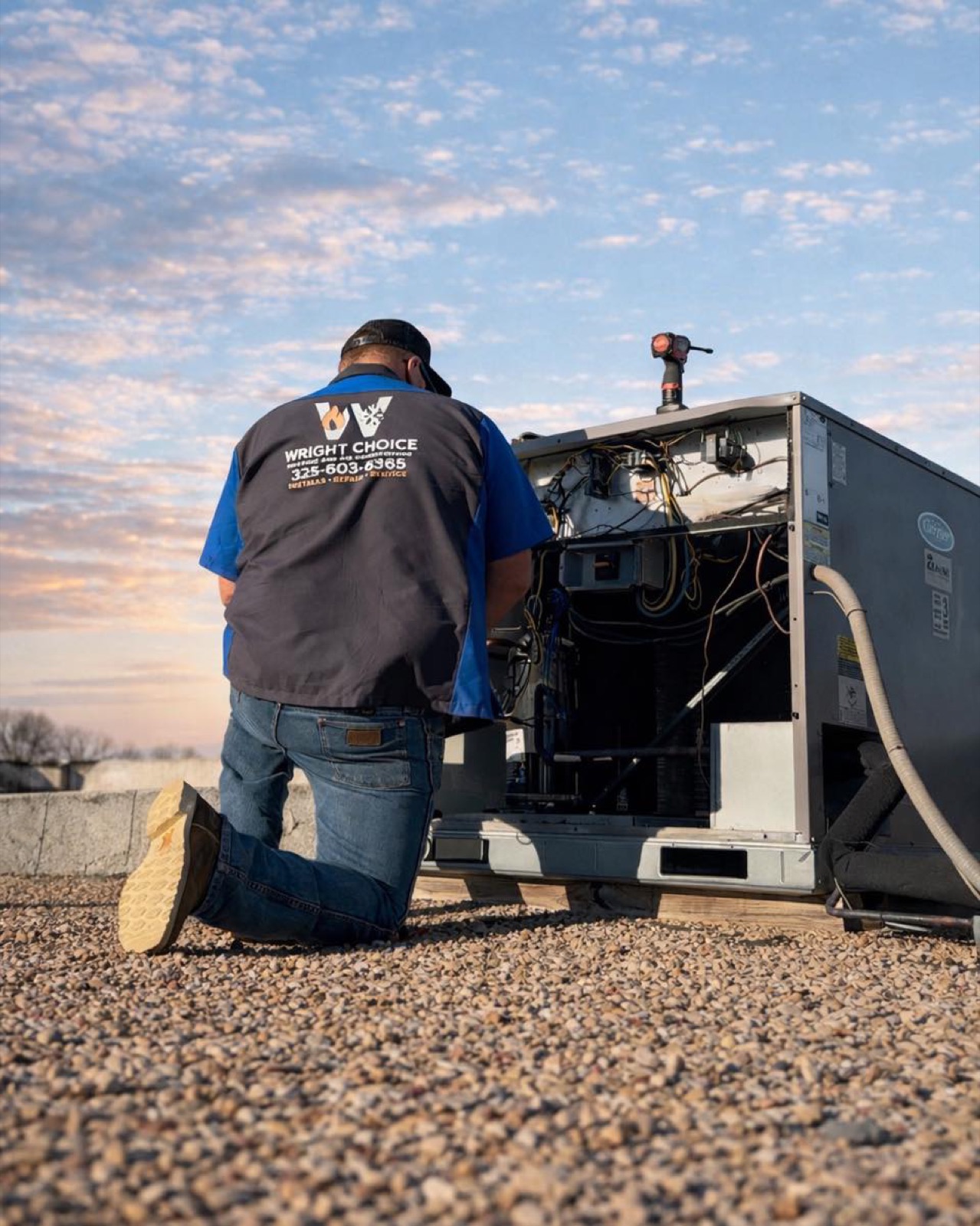
This is the step that pays for itself. A spring tune-up checks the things you can’t: refrigerant charge, capacitor health, electrical connections, and coil condition. A weak capacitor or low charge gives almost no warning — it just strands you on the hottest day of the year. Catching it in April is a cheap fix; catching it in July is an emergency call.
That’s exactly what the $165 Comfort Plan covers — two seasonal visits a year plus priority scheduling — and it’s the cheapest insurance against a peak-season breakdown. You can read more about what a real HVAC tune-up includes, or just call and get on the spring schedule before the rush.
Frequently asked questions
When should I get my AC serviced in Abilene?
In spring, before the cooling season starts — ideally March or April. That gives time to catch and fix problems like a weak capacitor or low refrigerant before the first heat wave, when service demand peaks.
Can I clean my AC unit myself?
Some of it, yes — replace the filter, clear debris around the outdoor unit, and gently rinse the coil with the power off. Leave refrigerant, electrical, and deep coil cleaning to a technician.
Get on the spring tune-up schedule.
Beat the rush and the breakdowns. The $165 Comfort Plan covers two seasonal visits and priority scheduling.