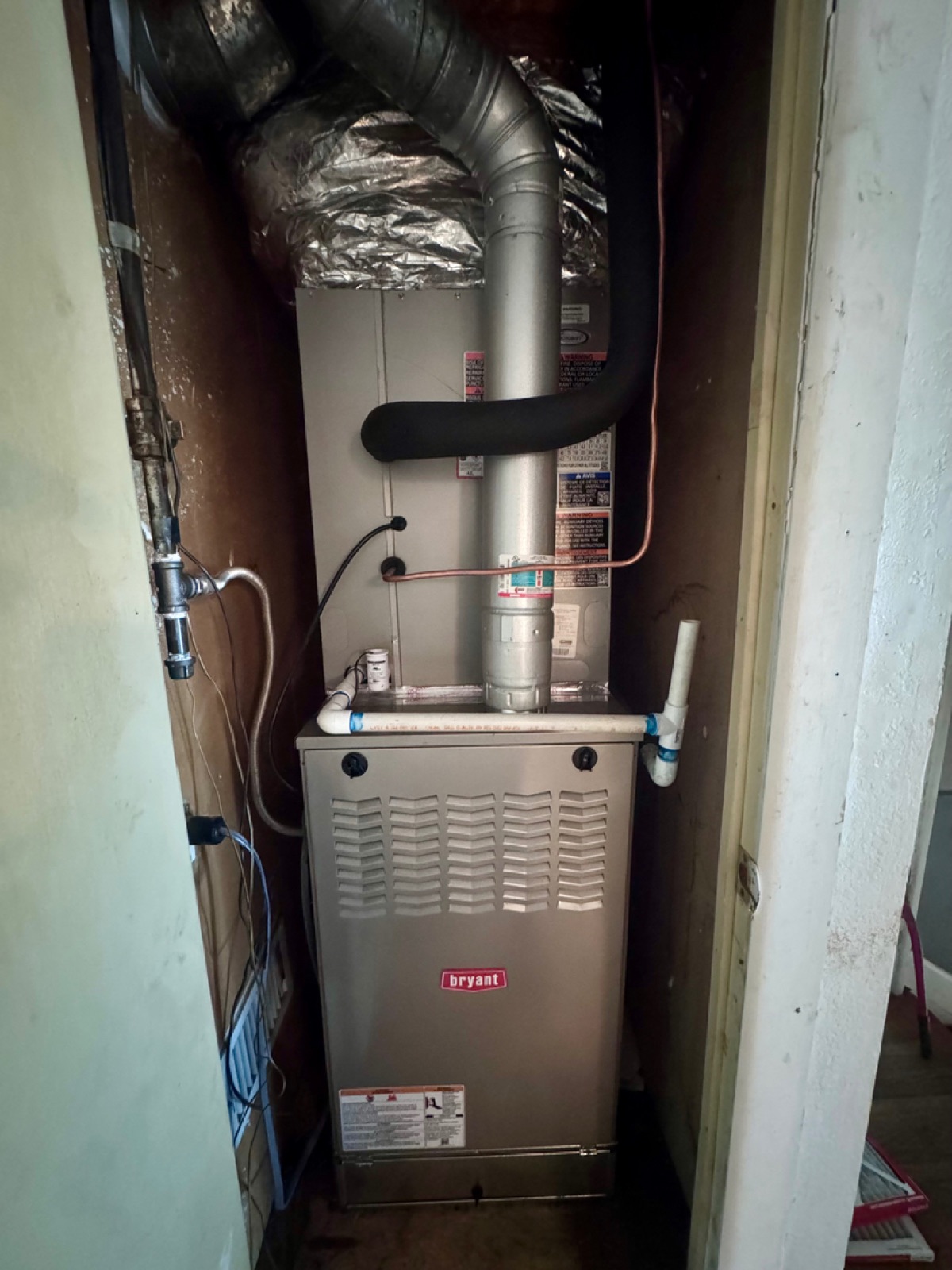
Because our winters are mild for long stretches, furnaces here get ignored — until the one night they’re really needed. A furnace almost always warns you before it fails completely. Learn to read these eight signs and you can fix a $150 problem in the fall instead of a no-heat emergency in January.
Run through this list before the first cold snap. A few of these are simple maintenance items; a couple are safety issues you should act on immediately.
1. A burning or odd smell
A faint burning smell the first time you run the heat each season is normal — it’s dust burning off. But a smell that lingers, or a strong electrical, oily, or musty odor, is not. Persistent burning smells can point to an electrical problem or an overheating component and deserve a look before you keep running the system.
2. New or loud noises
Banging, popping, screeching, or rattling that wasn’t there last year is your furnace telling you something. Banging on startup can signal a delayed ignition (small gas buildup before the burners light); screeching can be a blower motor or bearing. None of these get better on their own.
3. Weak or cold air from the vents
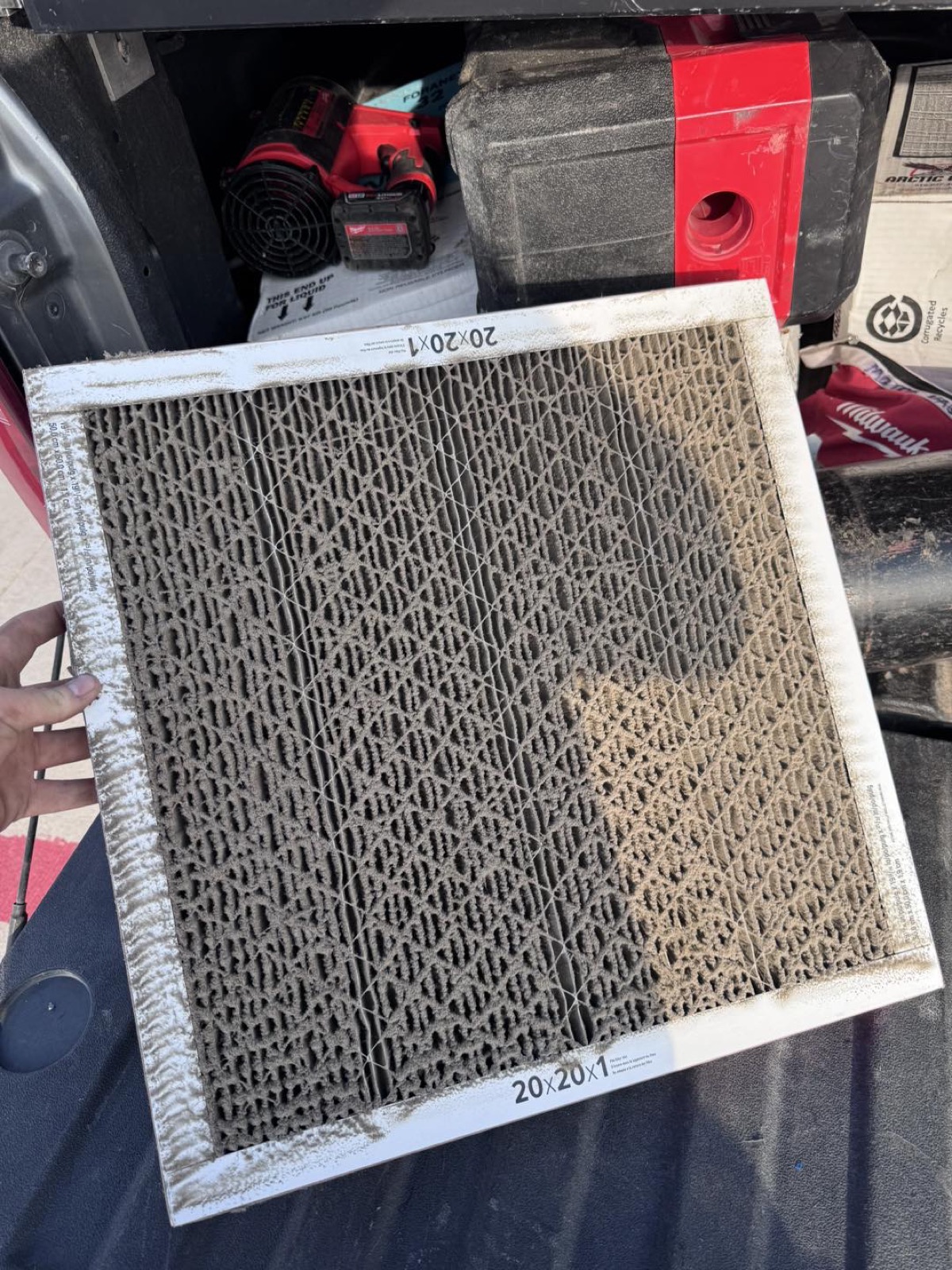
If the furnace is running but the air is weak or never gets warm, the causes range from a clogged filter to an ignition or gas-supply problem to a failing blower. Start by checking the filter — then, if that’s not it, it’s time for a diagnosis.
4. Short cycling
If your furnace turns on and off in quick bursts without properly heating the house, it’s “short cycling.” It can come from an overheating safety limit, a clogged filter, or a thermostat issue — and beyond the comfort problem, it wears the system out fast. Don’t ignore it.
5. A yellow burner flame
On a gas furnace, the burner flame should be crisp and blue. A yellow or flickering flame can indicate incomplete combustion — a potential carbon monoxide concern. If you can safely see the burner flame and it’s yellow, shut the system down and call a professional. This one isn’t a wait-and-see.
6. Climbing heating bills
If your heating costs jumped without a matching jump in usage or rates, the system is losing efficiency — working harder to produce the same heat. It’s often an early sign of a component starting to fail or a maintenance issue dragging the whole system down.
7. Trouble starting
A furnace that hesitates to light, takes several tries, or needs the thermostat nudged to kick on is showing its age — commonly a failing igniter or flame sensor. These are affordable parts to replace on your schedule in the fall, versus an after-hours scramble during a freeze. This is the kind of thing a heating repair visit resolves quickly.
8. A carbon monoxide alarm
This is the most serious sign and the simplest instruction: if your CO detector goes off, get everyone out and call 911, then your gas company. If you don’t have a working carbon monoxide detector near your sleeping areas, install one before heating season — it’s the cheapest safety device in your house. A cracked heat exchanger can leak CO, which is exactly why furnace safety checks matter.
Catch it in the fall
Most of these signs are cheap and easy to handle in October and brutal to deal with at 2 a.m. in January. A fall tune-up checks the igniter, flame sensor, heat exchanger, and combustion — the safety items you can’t see — so a small problem doesn’t become a no-heat night. The $165 Comfort Plan includes that fall heating visit, and our heating repair team prioritizes no-heat calls when the cold does hit.
Frequently asked questions
Why does my furnace smell like burning when I first turn it on?
A faint burning smell the first time you run the heat each season is usually just dust burning off the heat exchanger and is normal. A strong, lingering, or electrical/oily smell is not — shut it down and have it checked.
What should I do if my furnace flame is yellow?
A gas furnace flame should be crisp blue. A yellow or flickering flame can mean incomplete combustion and a possible carbon monoxide risk. Turn the furnace off and call a professional — don’t keep running it.
Furnace acting up before winter?
Catch the small stuff now. Book a fall heating tune-up or get a fast diagnosis from a local Big Country team.