A cold bedroom, office, or addition does not automatically mean the furnace is failing. The room may have restricted supply air, no easy return-air path, duct leakage, higher heat loss, or a different exposure than the room where the thermostat is located.
Safe checks before calling for service
- Open and uncover the supply register. Move rugs, furniture, and curtains away, then compare airflow with a nearby comfortable room.
- Check the return-air path. If the room has no dedicated return, briefly test whether leaving the door open changes comfort. Do not cut doors or walls as a diagnostic shortcut.
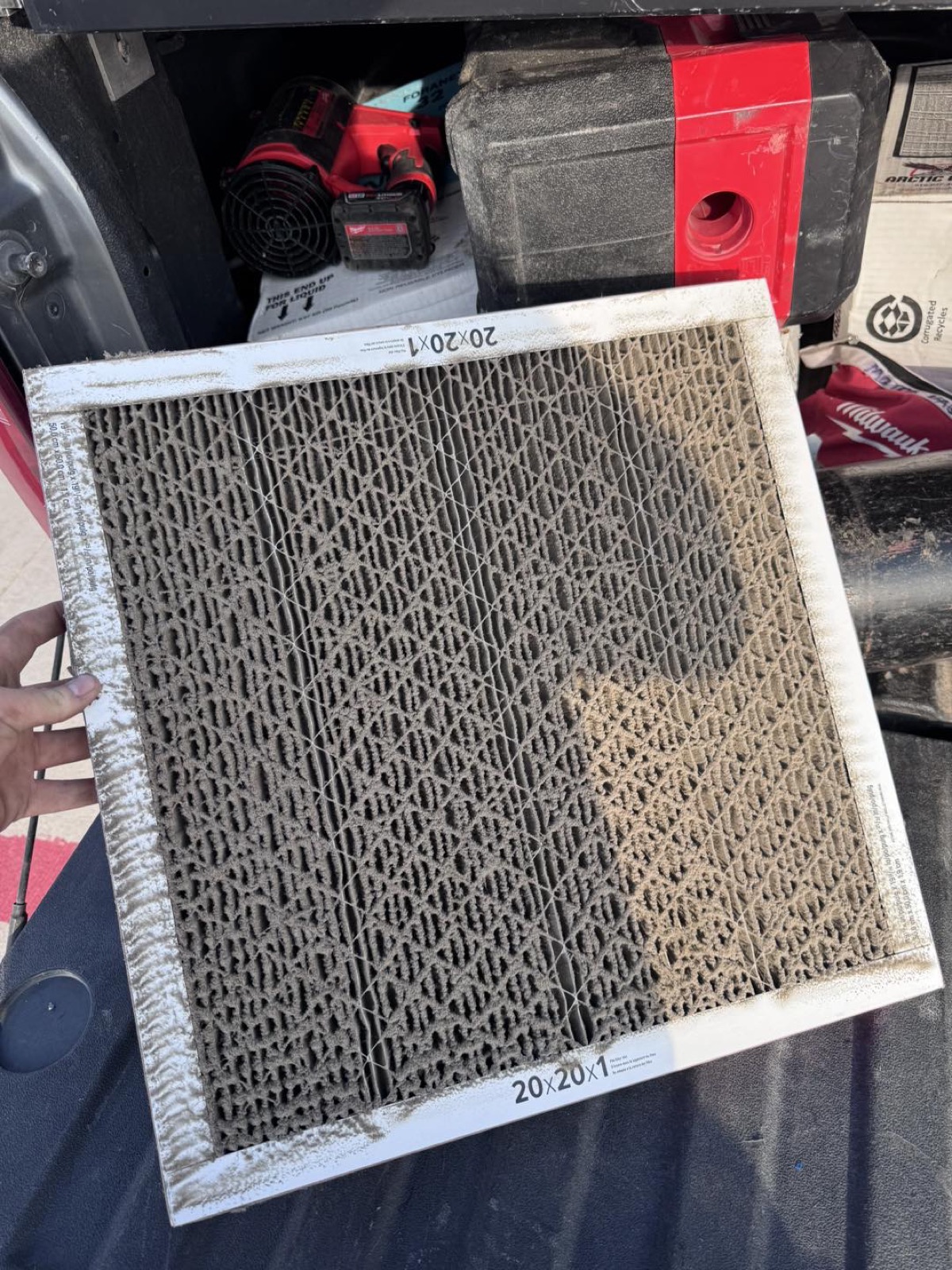
- Inspect the system filter. Replace a visibly dirty filter with the correct type and size. Do not operate the system without one.
- Confirm the thermostat. Use Heat mode and a steady, reasonable setpoint during the test. A nearby lamp, sunny window, draft, or closed door can make the thermostat’s location less representative.
- Look for room-specific heat loss. Note obvious window or door drafts and whether the room sits over an unconditioned space or at the end of the duct run.
Common reasons one room stays cold
Supply-air restriction or imbalance
A partially closed damper, crushed flexible duct, disconnected run, dirty coil, or system-wide airflow problem can reduce delivery to the room. Proper balancing depends on measurements, not guesswork.
Return-air limitations
Supply air needs a path back to the system. A closed interior door can isolate a room when the return path is inadequate.
Duct leakage or heat loss
Air can lose heat before reaching a distant room when ducts pass through colder spaces or have leakage. Big Country temperature swings can make a marginal duct problem easier to notice on colder days.
The room has a different heating load
Window area, orientation, insulation, ceiling height, exterior walls, and additions all affect how quickly a space loses heat. These factors should be evaluated before changing equipment size.
Control or equipment trouble
If several rooms are cold, airflow is weak throughout the home, or the system cycles abnormally, the problem may extend beyond one branch. See the safe checks in Thermostat Says “Heat On,” but No Warm Air.
Avoid fixes that can create new problems
Do not close many vents to force air toward one room, place a space heater near bedding or curtains, alter gas equipment, or enter unsafe attic or crawl spaces. Never use an oven or outdoor fuel-burning equipment to heat the home. If you smell gas, see smoke or soot, hear arcing, or a carbon-monoxide alarm sounds, leave the area and contact the appropriate emergency or utility service.
When uneven heating deserves an HVAC evaluation
Schedule heating and furnace service when the imbalance appeared suddenly, airflow is noticeably weak, the system runs without catching up, breakers trip, or simple checks do not help. A useful evaluation can compare temperatures and airflow, inspect accessible ductwork, review return-air paths and controls, and determine whether the issue is room-specific or system-wide.
If the system is operating but needs seasonal attention, furnace maintenance is a better starting point than waiting for a no-heat call.
Frequently asked questions
Should I close vents in warmer rooms to heat a cold room?
Usually not. Closing several supply vents can change system airflow and pressure without correcting the underlying imbalance. Keep vents open and unobstructed while a technician evaluates airflow if the problem continues.
Can a thermostat fix one cold room?
A thermostat can correct a control or scheduling problem, but one cold room often points to airflow, duct, return-air, insulation, or room-load differences. The whole system should be considered before replacing controls.
When does uneven heating need professional service?
Request service when the imbalance is new, severe, accompanied by weak airflow or unusual system behavior, or continues after simple vent, filter, door, and thermostat checks.
Still dealing with a cold room?
Tell Wright Choice which rooms are affected, when the problem started, and what the system is doing. We can evaluate heating and airflow in Abilene and nearby Big Country communities.